
Precise Pile Loop Height: The Engineering Secret to Balancing Terry Towel Plushness and Snag Resistance
1. The Crucial Role of Surface Loop Architecture in Terry Towel Tactile and Physical Performance
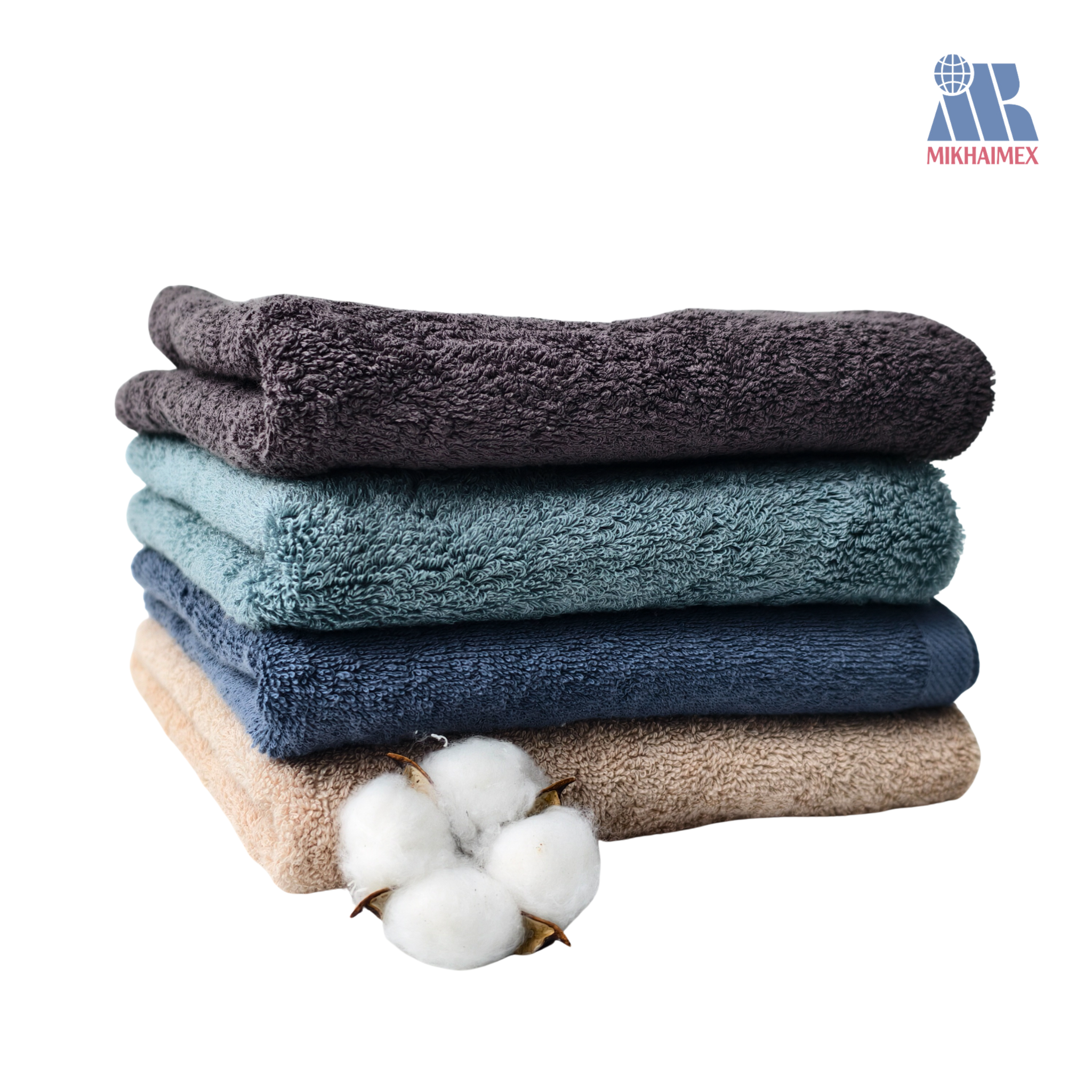
Within the specialized field of three-dimensional textile engineering, the surface loop architecture of premium terry towels serves as the fundamental determinant of both physical-mechanical performance and human tactile perception. Unlike flat-woven fabrics, terry structures rely on raised vertical loops that create an extended volumetric surface area. Each individually raised loop functions not only as a micro-cushion that retains air to impart plush softness against delicate human skin, but also acts as a primary capillary channel designed to collect, hold, and rapidly absorb liquid moisture. However, establishing the exact geometric parameters for these surface loops requires a sophisticated engineering balance between tactile comfort and mechanical friction resistance. When textile engineers fail to compute these metrics accurately, products inevitably suffer from either excessive surface harshness caused by overly short loops or catastrophic snagging and pulled threads caused by excessively long loops. Consequently, mastering the exact specification of pile loop height remains a mandatory core competency for professional OEM/ODM towel manufacturers worldwide.
2. Operational Risks and Product Failure Modes Arising from Unstandardized Pile Loop Height Specifications
In commercial product development, chasing consumer preference for extreme visual fluffiness by pushing loop parameters beyond safe engineering boundaries introduces severe operational risks for commercial laundries and hospitality operators. When textile designers set the pile loop height above the critical threshold of 4.5mm to 5.0mm, the structural integrity of individual loop arches becomes dangerously compromised. These extended loops lack adequate lateral support, making them exceptionally vulnerable to catching on fingernails, guest jewelry, sharp metal edges inside laundry carts, or high-friction components of industrial washing machines. Once a single loop catches, the pulling force transmits horizontally across the fabric face, causing long pulled threads that ruin the visual aesthetic and structural stability of the entire towel. Conversely, selecting an abnormally short pile loop height under 2.5mm results in a stiff, abrasive fabric face that lacks air retention capability and exhibits severely diminished water holding capacity. Failing to master this precise metric leaves purchasing directors trapped in a difficult trade-off between guest satisfaction scores and long-term product durability.
3. The Golden Technical Spectrum of Pile Loop Height for Optimal Softness and Mechanical Durability
To eliminate operational trade-offs and achieve an ideal synthesis of plush softness and superior snag resistance, international textile researchers have defined a precise golden engineering range for loop parameters. The most effective pile loop height specification generally ranges between 3.2mm and 3.8mm for heavy-duty bath towels, and between 2.8mm and 3.2mm for hand towels, face towels, and specialized bath mats. Controlling the pile loop height within this standardized technical spectrum allows individual loop arches to maintain sufficient natural flexure, providing a velvety, luxurious hand-feel during skin contact while preserving structural uprightness. Furthermore, maintaining this specific loop elevation ensures that the root-binding tension at the base weave remains tight enough to withstand intense lateral sliding friction forces. Scientific calibration of the pile loop height ensures that the finished towel maintains maximum surface area for instantaneous water uptake without suffering from base-root displacement during high-speed centrifugal extraction cycles in industrial laundering operations.
4. Advanced Base Weave Locking Mechanics Paired with Optimized Pile Loop Height Parameters
Beyond calibrating loop elevation metrics, implementing advanced base-locking weave technologies on high-speed rapier looms stands as the decisive technical factor in completely eliminating thread-pulling risks. When engineers pair optimized pile loop height parameters with high-density ground weave structures featuring 20 to 24 picks per centimeter, each individual loop arch becomes securely anchored into the intersecting warp and weft ground yarns. This double-pick or ground-locking weaving mechanism firmly stabilizes the root foundation of the pile loop height, preventing a single snagged fiber from pulling out neighboring warp threads across the fabric face. Even when the towel encounters severe mechanical abrasion or accidental hook catches during daily usage, this reinforced root structure maintains the pile loop height at its original setting. As a result, the towel face remains perfectly smooth, flat, and free from unsightly pulled-thread lines or mesh-tearing defects over extended usage periods.
5. Technological Breakthroughs in Precision Pile Loop Height Engineering by Minh Khai Textile
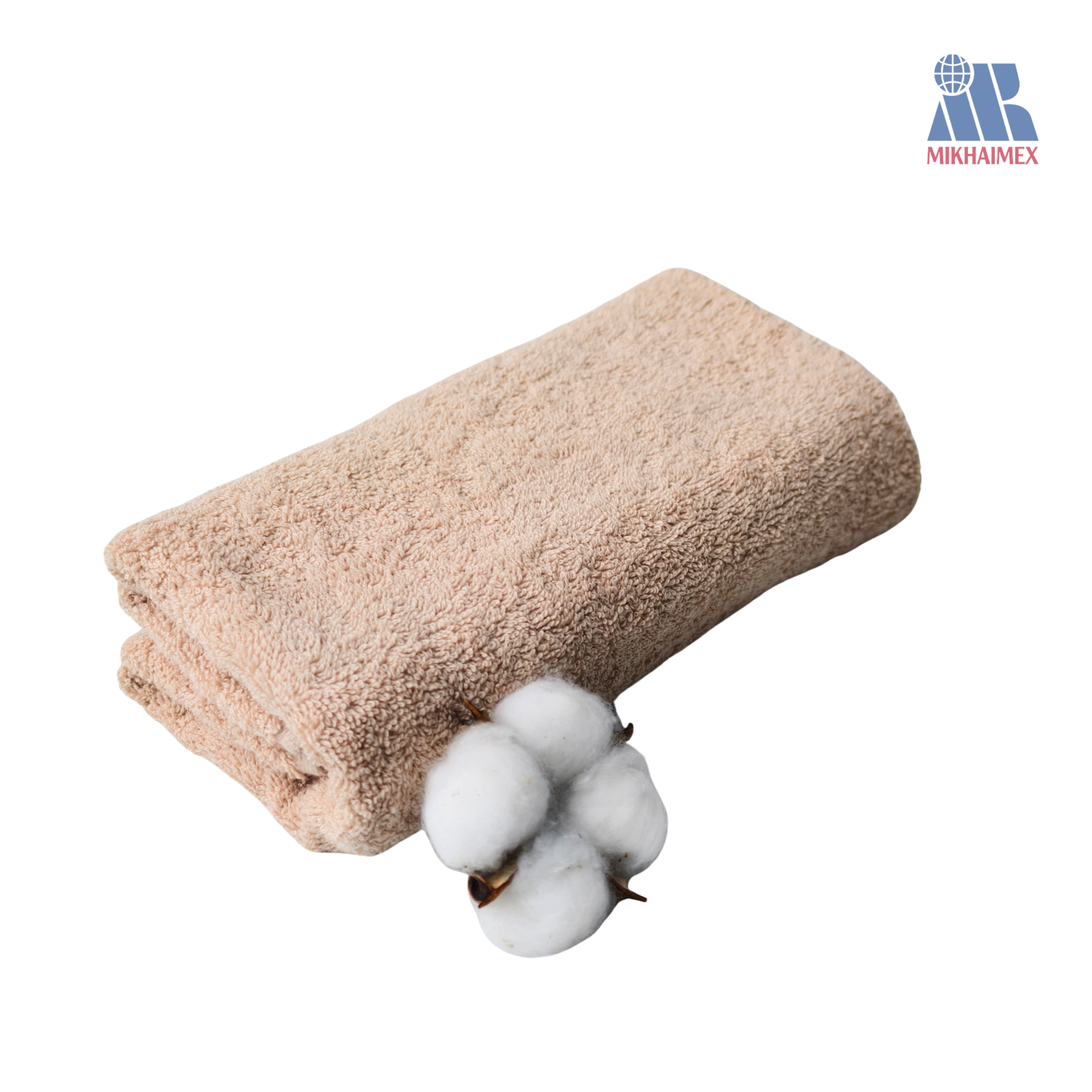
Grasping deep technical principles of textile physics and dyeing mechanics, Minh Khai Textile Company has deployed state-of-the-art automated rapier weaving systems capable of controlling pile loop height resolution down to precise millimeter increments. Every commercial towel line manufactured at Minh Khai undergoes rigorous digital density inspections to guarantee absolute uniformity of pile loop height across every square centimeter of the fabric face. By combining premium 100% natural long-staple combed cotton yarns with European-standard pile loop height specifications, Minh Khai delivers finished products that combine luxurious plushness with extraordinary operational longevity through hundreds of harsh industrial laundering cycles. Backed by prestigious OEKO-TEX biosafety certifications and robust OEM/ODM production capabilities, Minh Khai confidently serves as an international manufacturing partner supplying standardized, high-performance towel lines for global hospitality brands and commercial distributors.