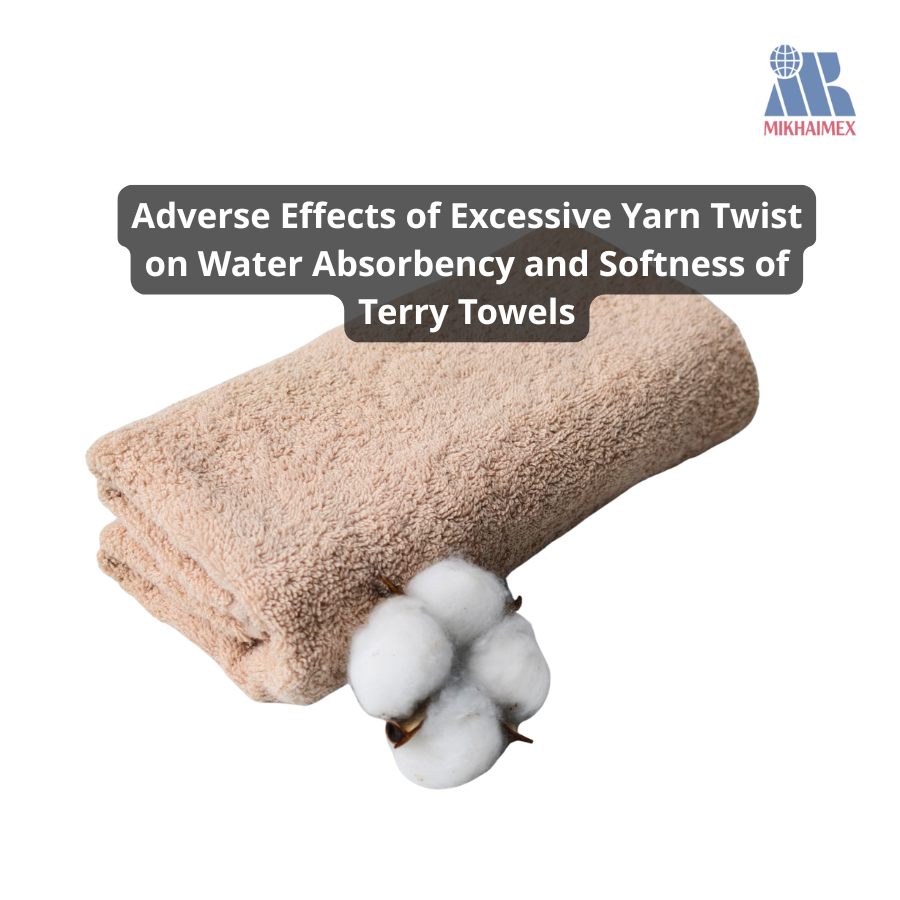
Adverse Effects of Excessive Yarn Twist on Water Absorbency and Softness of Terry Towels
1. Close Relationship Between Yarn Twist Techniques and High-End Linen Experience Quality
In modern textile manufacturing, fiber structures play a core role directly deciding all physical characteristics and utility values of finished products. For bathroom linen items, softness, fluffiness, and instant water retention capacity remain top criteria for evaluating quality levels. However, during spinning processes, adjusting twist indexes away from technical standards can completely alter the natural properties of raw input materials. Many manufacturers, desiring to mechanically increase tensile strength, excessively tighten yarn twists, inadvertently causing severe adverse effects on product characteristics. Analyzing deeply the negative impacts of this phenomenon helps us clearly understand why precise twist structures act as the key to constructing a terry towel possessing superior plush quality.
2. Physical Principles of Yarn Twist Indexes and the Decline of Instant Water Absorbency
Technically in textiles, yarn twisting is the process of winding natural cotton fibers around a common axis to generate interlocking friction forces, preventing yarn strands from breaking under tension. However, when twisting forces exceed optimal thresholds, cotton fiber density inside yarn cores becomes excessively compressed, completely eliminating micro-air pockets naturally existing between fibers. According to capillary principles, fabric water absorption depends on water circulation within these micro-voids. When yarn is overly twisted, natural water conduit channels are suffocated, preventing water molecules from penetrating deep into yarn cores and causing them to slide across surfaces instead. Consequently, a terry towel woven from this yarn type loses its instant water absorbency, generating wet, sticky, and uncomfortable sensations for users.
3. Reduction of Fluffiness and Harsh Sensations Devastating User Experiences
Not stopping at destroying water retention capacity, excessive yarn twisting directly causes the loss of loft and fluffiness in surface fabric loops. When yarn strands are twisted hard like tiny steel cables, raised woven loops cannot expand naturally, becoming rigid and harsh. Upon contacting skin, especially sensitive areas after bathing, an overly hard terry towel surface creates high friction, easily causing abrasions, redness, and damage to the skin’s natural protective barrier. For high-end services like five-star hotels or luxury spas, a harsh terry towel serves as a major drawback, degrading guest satisfaction and negatively affecting brand images.
4. Chemical Laundry Residue Accumulation and Product Lifespan Degradation Risks Over Time
Another dangerous consequence of tight yarn twisting is the retention of chemical residues during daily laundering. Due to overly dense and tight yarn fiber structures, soap molecules or fabric softeners in industrial wash cycles prove difficult to rinse out completely. Over repeated usage, chemical residues accumulate inside yarn cores and get heat-dried under high temperatures, causing the terry towel to become increasingly harsh, yellowed, and foul-smelling in humid environments. Furthermore, chemical crystallization combined with tense twisting forces causes cotton fibers to become brittle and break quickly from within, making the terry towel prone to rotting, shape distortion, and rapid lifespan reduction.
5. Technological Solutions of Zero-Twist and Low-Twist Weaving Elevating Linen Quality
To radically resolve adverse effects caused by excessive yarn twisting, modern textile industries have successfully researched and applied low-twist or zero-twist yarn weaving technologies. Utilizing combed cotton fibers with superior length, engineers can sustainably interlock fibers through micro-techniques without needing excessive mechanical twisting forces. A terry towel product woven from this technology possesses millions of natural air pockets, bringing ultra-fast water absorbency and cloud-like soft sensations. Utilizing a terry towel achieving standardized yarn weaving not only gently nurtures skin but also allows easy rinsing of residues, dries exceptionally fast, and maintains resilient durability across hundreds of wash cycles.
6. Minh Khai Textile Company – Master of Standardized Fiber Weaving Delivering Sustainable Values
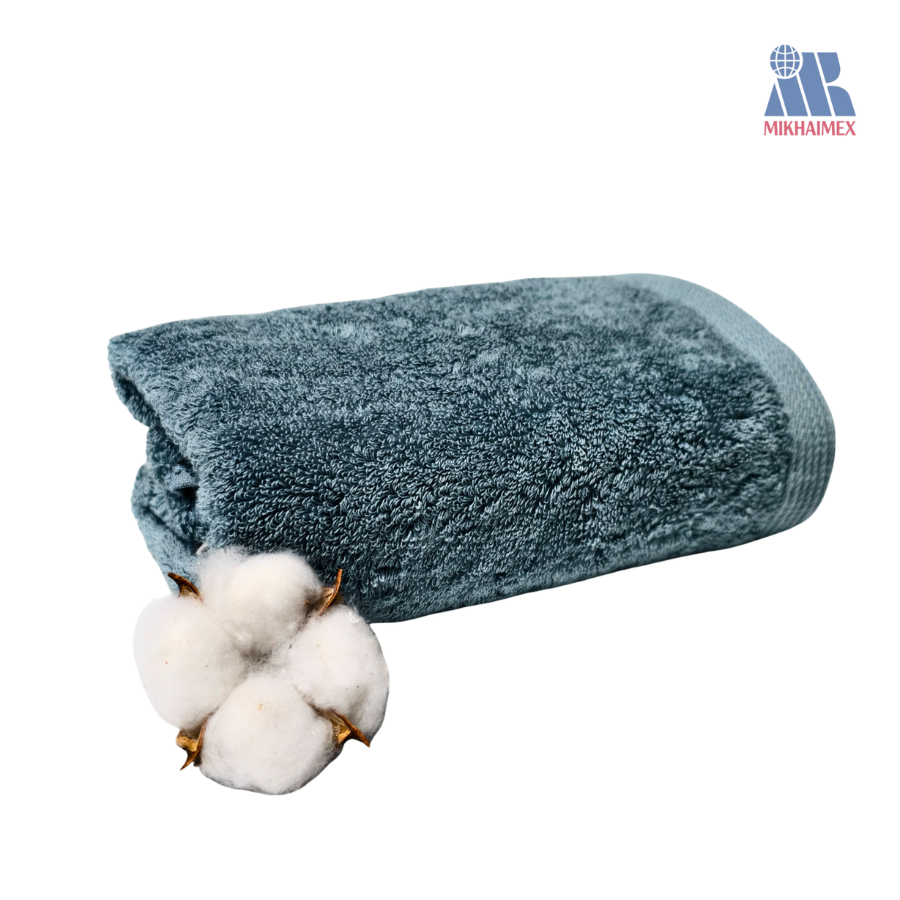
As a pioneer possessing extensive experience in Vietnam’s textile manufacturing sector, Minh Khai Textile Company always regards yarn twist index control as a core link guaranteeing finished product quality. Operating modern closed European technology lines, Minh Khai meticulously selects 100% natural combed cotton fibers to weave terry towel lines with optimal loft and excellent water absorbency. All terry towel products under the Minh Khai brand avoid harshness and lint shedding, achieving prestigious OEKO-TEX biosafety certification for consumers. Flexible OEM/ODM capacity enables Minh Khai Textile Company to confidently supply standardized terry towel lines for hotel systems, luxury resorts, and export partners, affirming its position as a reputable manufacturer prioritizing customer health and experiences.