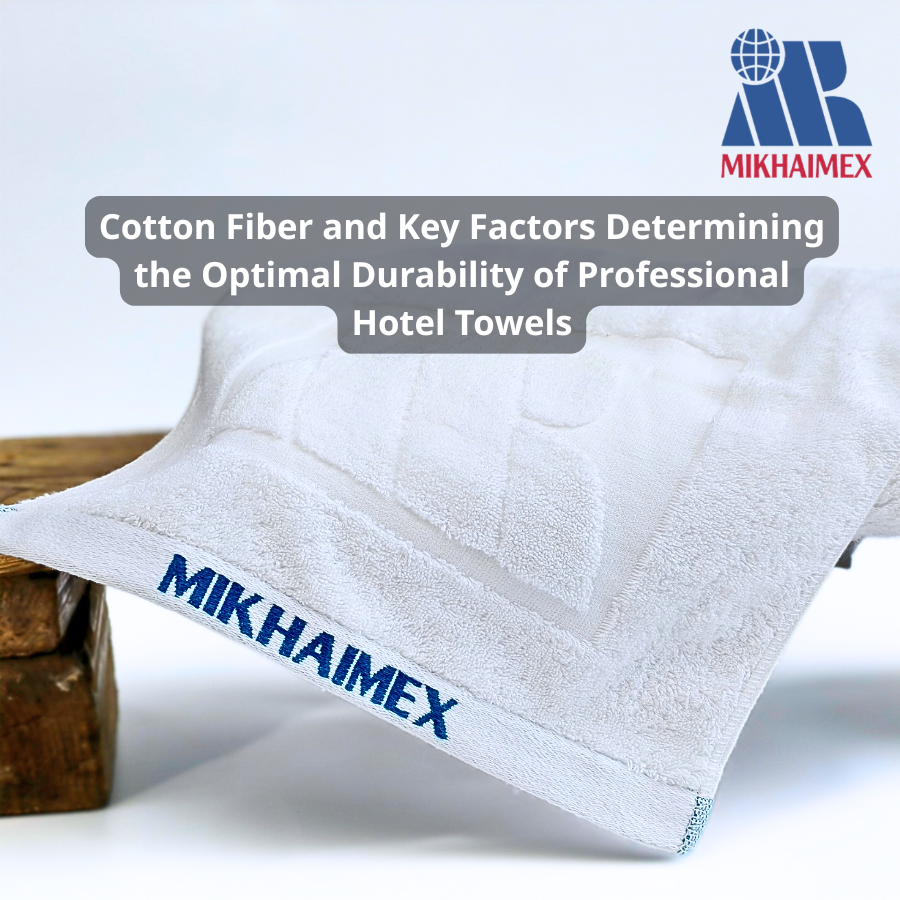
Cotton Fiber and Key Factors Determining the Optimal Durability of Professional Hotel Towels
1. The Importance of Durability in Professional Towel Products for the Hospitality Industry
In the hospitality and resort industry, managing operational costs while maintaining service quality is always a challenging dual task. Completely different from ordinary towels used in households, the towel systems used in resorts or motels face an extremely harsh processing environment. Continuous frequency of use combined with high pressure commercial laundry processes, high drying temperatures, and strong detergents cause the fabric structure to easily wear down over time. If a business chooses sub-standard products, they will face frayed, rough, or damaged towels after a short period of use, directly affecting the experience of overnight guests. For this reason, executive housekeepers always put durability first when looking for supply sources. A high quality towel must not only provide a soft, comfortable feeling from the very first touch but also possess superior tensile strength to maintain a stable shape through hundreds of wash and dry cycles. To thoroughly solve this long term economic puzzle, the core factor that manufacturers and investors need to pay special attention to is the original raw material source, where the quality of cotton fiber plays a decisive role in shaping the lifespan of the entire product.
2. Technical Nature of Cotton Fiber and Its Direct Impact on Towel Texture
To deeply understand why a towel can maintain its durability over the years, we need to analyze the structural nature of the raw material from which it is woven. Natural cotton has long been considered the gold standard in the textile industry due to its excellent liquid absorption and absolute benignness to human skin. However, in the world of raw materials, the concept of quality has a very clear classification based on the length of the cotton staple. High quality cotton fiber lines spun from long and uniform staples always offer superior mechanical and physical properties compared to ordinary short fibers. When long cotton staples are twisted together during the spinning process, they create an extremely tight bond, minimizing the phenomenon of short lint separating from the woven surface. When put into rapier or air jet looms to form loops on the towel surface, this quality standard cotton fiber will stick firmly to the ground fabric, preventing the loops from pulling or pilling during heavy friction in the industrial wash cylinder. The stability from the core of the raw material helps the towel not to thin out after each cleaning, while preventing shrinkage that deforms the corners of the product, keeping the towel as perfectly square and luxurious as it was originally.
3. Twisting Techniques and Optimal Weaving Density for Industrial Laundering Environments
Besides the origin of natural cotton staples, the technological method applied in the spinning stage and the weaving specification play an equally important role in protecting the durability of towels. In the production process of specialized products for the high end hotel segment, textile engineers often give priority to choosing weaving from double cotton fiber sources instead of ordinary single yarns. Combining two single yarns together and then twisting them in the opposite direction with a scientifically calculated twist density helps enhance the tensile strength many times, making the yarn flexible and difficult to break under high pressure. In addition, the weaving density and weight of the towel, usually quantified through the GSM index, also need to achieve a perfect balance. A towel woven from pure cotton fiber with a weight rating that is too low will make the fabric texture loose, easily frayed during professional laundering, while an excessively high rating makes the towel too thick, holding water for a long time and easily leading to yarn rot due to internal mold. Therefore, maintaining optimal weaving density combined with strong border hemming techniques using specialized three needle threads is the golden key to maximizing product lifespan.
4. Safe Whitening Process Protecting the Natural Bonding Structure of Cotton Fabric
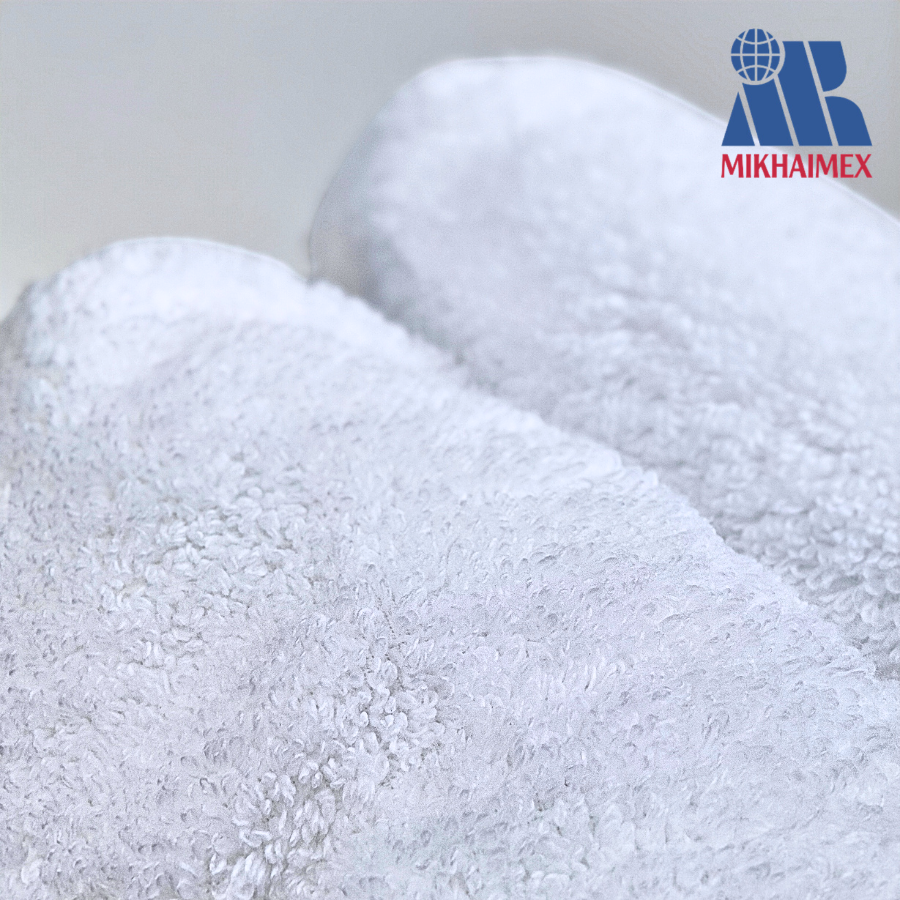
A fairly common misconception in the textile industry is that all fabrics must undergo the same processing steps to achieve perfect whiteness and brightness. For vibrant colored towel products, the chemical dyeing process can reduce part of the original durability of the cotton staple due to strong chemical reactions. However, for standard white bath towels dedicated to five star resorts and hotels, the production process goes in a completely different direction. These pure white towels woven from natural cotton fiber do not undergo any color dyeing steps, helping to preserve the natural cellulose bonding structure of the fabric fiber completely. Instead, the raw towel blank after leaving the loom will be put into a high pressure scouring system combined with a safe biological whitening technique to thoroughly eliminate all impurities, cotton oil, and dirt adhering to the surface. This pure pre treatment process not only improves the maximum water absorption and natural fluffiness of the cotton fiber but also ensures that the product achieves an even, sophisticated brightness without being brittle or losing tensile strength lifespan like when using conventional high concentration chlorine bleaches.
5. Minh Khai Textile Company – Prestigious Supplier of High Quality Cotton Towels with International Standards
To realize the strict technical standards regarding durability and product safety, finding a reputable manufacturer with comprehensive textile capability is extremely important for businesses. Proud to be one of the leading birds of the Vietnamese textile industry with a long history of development, Minh Khai Textile Company has been a trusted strategic partner of thousands of high end hotel and resort systems domestically and internationally. Thanks to owning a synchronous modern dyeing and weaving technology chain imported from Europe along with a strict quality control process, the unit always ensures that all OEM/ODM custom orders achieve absolute accuracy. All towel products under the Minh Khai brand are manufactured from imported cotton fiber sources that meet international OEKO-TEX certification, committing to containing no harmful chemicals and being absolutely safe for users’ skin. The perfect combination of carefully selected pure cotton fiber raw materials together with advanced weaving techniques has helped the products of Minh Khai Textile Company achieve outstanding durability that overcomes all challenges of industrial laundering processes, becoming a smart choice to help investors optimize long term financial plans and elevate brand service class.