VIETNAM TOWELS: CHALLENGES AND OPPORTUNITIES IN THE GREEN ECONOMY ERA
In the context of globalization and rising environmental awareness, the textile industry is undergoing a historic transformation. No longer merely a race for price or volume, businesses are now striving to redefine value through the concept of a “green economy.” Within this shift, Vietnam towels have become a focal point, reflecting concerted efforts to adapt to stringent sustainability standards from international markets.
1. Sustainable Consumption Trends and the Position of
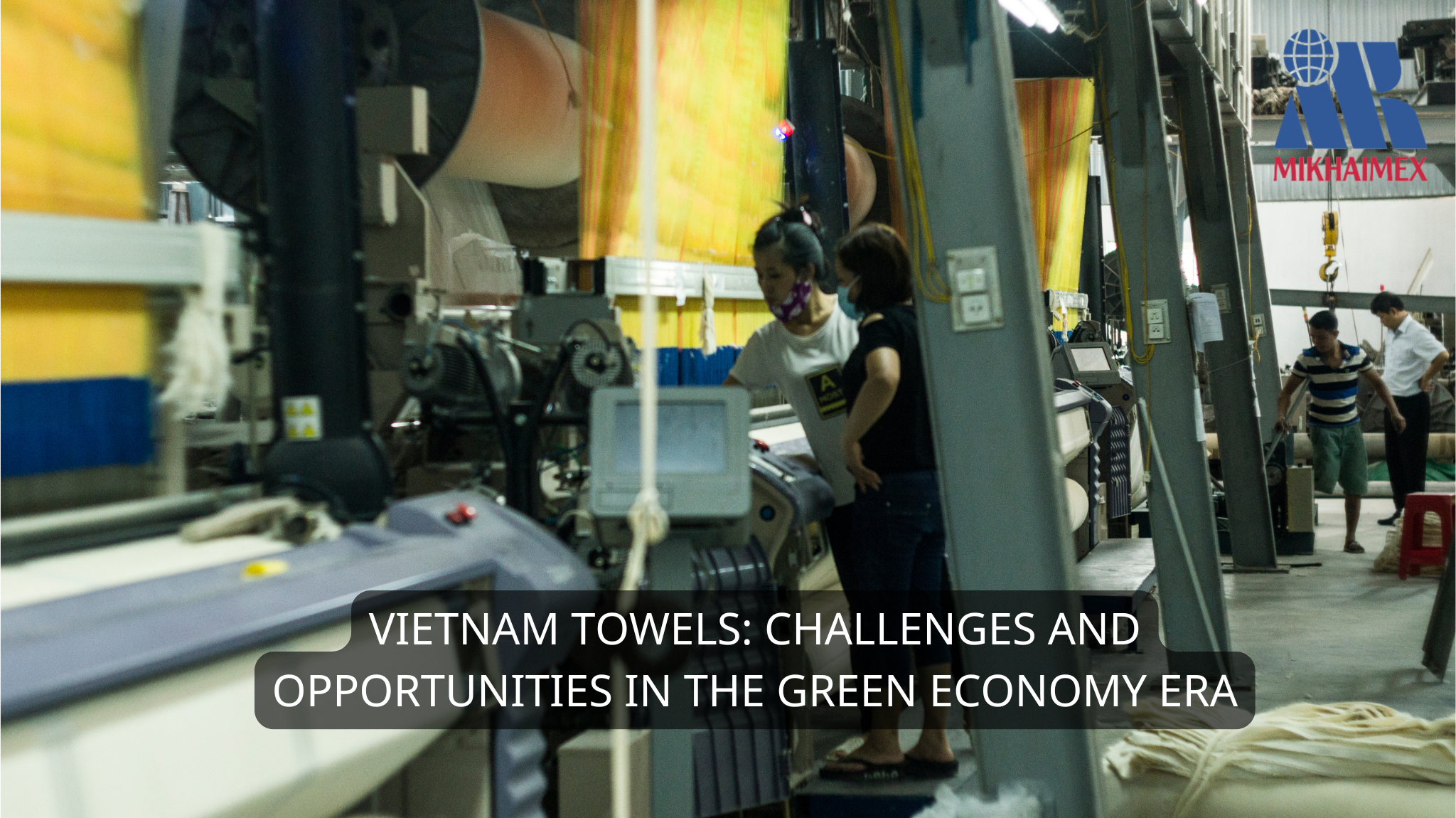
The world is witnessing a dramatic shift in consumer behavior. Customers in major markets such as the EU, the US, and Japan no longer only care about whether a towel is soft; they have begun to question the origin and environmental impact of the product. This creates positive pressure, forcing manufacturers of Vietnam towels to ensure transparency across their supply chains.
The use of Organic Cotton—cultivated without chemical pesticides—is becoming a new benchmark for evaluating the value of Vietnam towels. Although initial raw material costs are higher, it brings humanitarian value and protects sustainable ecosystems. Businesses that embrace this trend will have the opportunity to penetrate high-end segments, where consumers are willing to pay a premium for products that are eco-friendly and safe for skin health.
2. Technological Challenges and the Resource Equation in Production
Textile production, particularly the dyeing and finishing stages, has traditionally been considered the most water- and energy-intensive part of the process. For the manufacturing of Vietnam towels, the greatest challenge today is maintaining the signature softness and high absorbency while minimizing carbon emissions and wastewater discharge.
To solve this equation, modern factories producing Vietnam towels are implementing low-concentration dyeing technologies and closed-loop water treatment systems. This technology allows for the recycling of up to 80% of process water, significantly reducing negative impacts on local water sources. Additionally, transitioning from coal-fired boilers to renewable energy sources like solar power or biomass is an inevitable step. Although the initial investment in green technology is substantial, it is a prerequisite for Vietnam towels to remain competitive in the global supply chain.
3. Bio-fiber Insights: A Breath of Fresh Air for Vietnam Towels
Innovation in the weaving industry is also reflected in the research and application of new plant-based fibers beyond traditional cotton. To increase the competitiveness of Vietnam towels, many units have begun integrating Bamboo, Modal (beechwood), or Eucalyptus fibers into their production lines. These fibers are not only highly biodegradable but also offer superior characteristics to the user.
For instance, bamboo fiber possesses natural antibacterial properties, helping Vietnam towels resist odors and mildew even when hung in poorly lit environments. Modal fiber offers a natural sheen and extreme colorfastness, remaining soft even after multiple industrial launderings. Mastering the blending technology of những loại sợi này allows manufacturers to create versatile products that meet the rigorous demands of 5-star resorts, thereby elevating the intrinsic value of Vietnam towels on the international stage.
4. The Importance of Green Certifications and Safety Standards
To affirm prestige and credibility, Vietnam towels cannot lack “golden certifications” in textile safety. Standards such as OEKO-TEX Standard 100 or GOTS (Global Organic Textile Standard) have become powerful yardsticks. A Vietnam towels product that achieves OEKO-TEX certification guarantees that every thread, dye, and accessory is free from over 100 harmful chemicals that could endanger the user.
Attaining these certifications requires synchronization from raw material supplier selection to strict operational control at the factory. For international B2B partners, những chứng chỉ này are the strongest commitment to the quality of Vietnam towels. They help dismantle technical barriers and open doors for domestic goods to enter high-value-added markets, rather than settling for low-profit, low-cost processing. This is the only path to protecting the national brand value.
5. Minh Khai Textile – A Pioneer in Preserving the Quality of Vietnam Towels
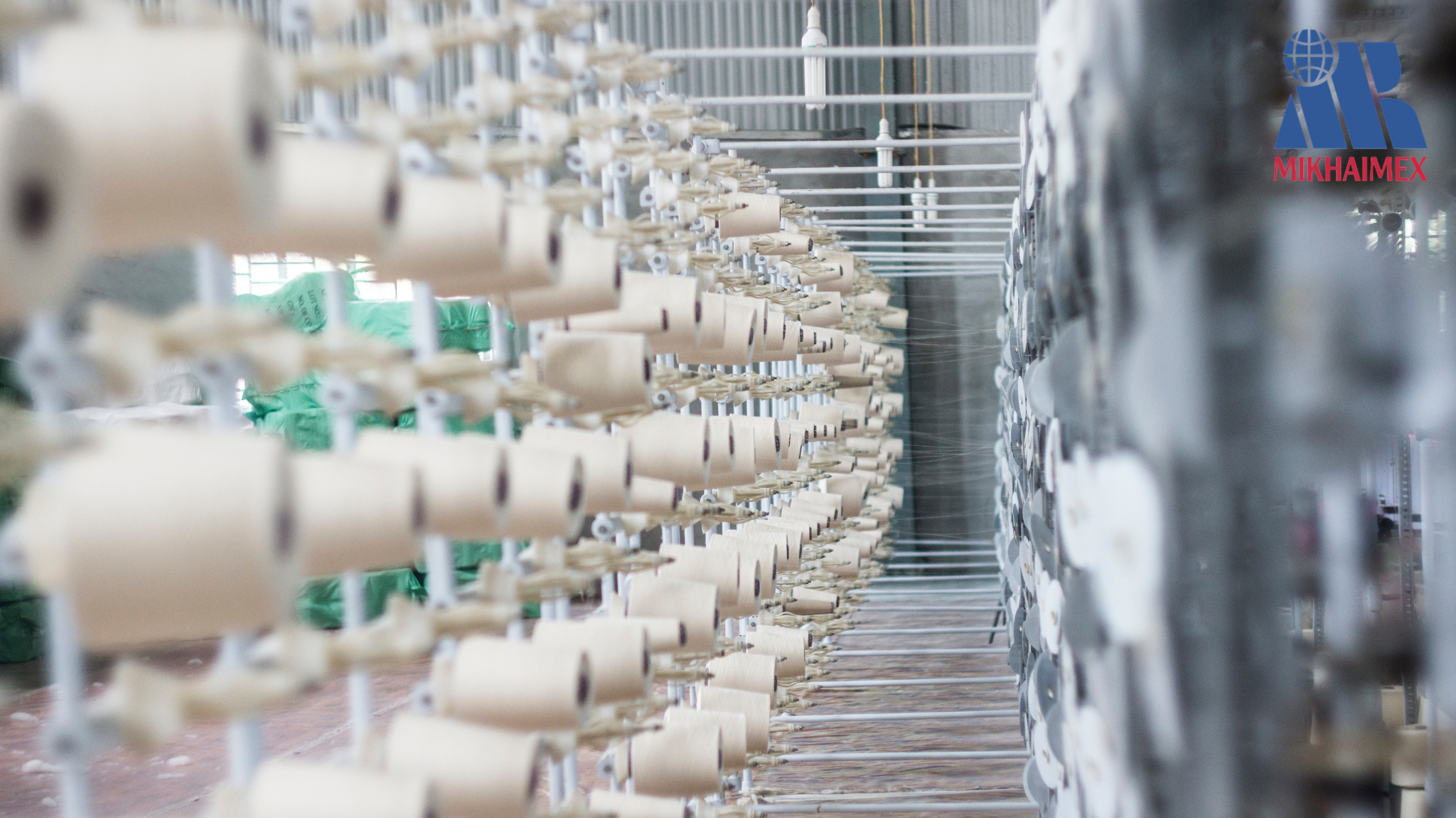
Amidst the green economic shift, Minh Khai has emerged as a symbol of resilience and responsibility. As one of the most venerable names in the industry, Minh Khai not only preserves traditional weaving secrets but also leads the way in standardizing the quality of Vietnam towels according to modern international benchmarks.
The strength of Minh Khai lies in its integrated and professional production process. Instead of chasing fleeting trends, this entity focuses on the core of the product: durability, safety, and the authenticity of materials. Every towel bearing the Minh Khai label carries the pride of high-quality Vietnam towels, capable of conquering the most demanding markets like Japan or Europe.
Minh Khai understands that in the green era, customer trust is the most valuable asset. Therefore, they continuously invest in modern finishing systems, ensuring that products are not only aesthetically pleasing but also “clean” in their manufacturing process. The image of Minh Khai towels—voluminous, absorbent, and durable through the years—is a definitive statement on the stature of Vietnam towels in the journey to win over global consumers.