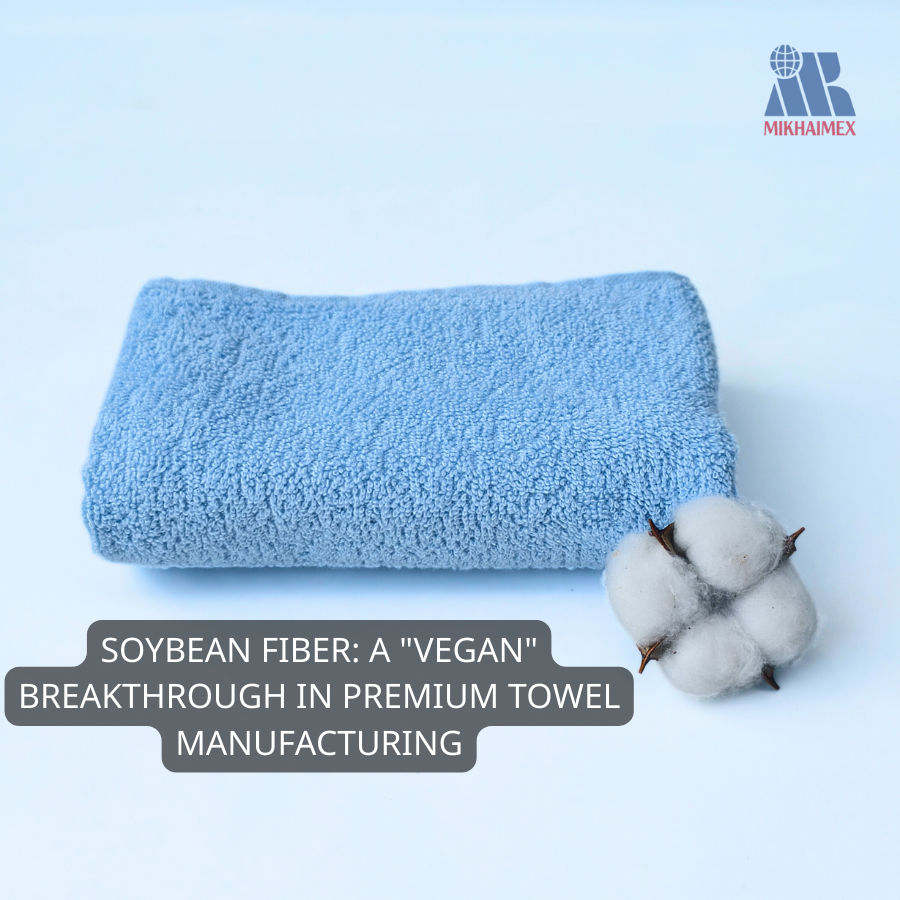
SOYBEAN FIBER: A “VEGAN” BREAKTHROUGH IN PREMIUM TOWEL MANUFACTURING
1. The trend of bio-materials in the global textile industry
In recent years, the global textile industry has been undergoing a powerful green revolution, where traditional materials are gradually being replaced or supplemented by bio-based natural fibers. Modern consumers no longer demand just softness and durability; they are particularly concerned with the sustainability and eco-friendliness of products. In this context, soybean fiber has emerged as a phenomenon, dubbed the “vegetable protein fiber of the 21st century” or “vegetable cashmere.” This regenerated fiber is made from soybean protein, a byproduct of food production, helping to optimize resources and minimize negative impacts on the ecosystem.
Minh Khai Textile, as a pioneer in applying new technologies, has quickly seized this trend to integrate soybean fiber into the production of premium towel lines. The application of this fiber not only affirms the enterprise’s technological position but also provides a perfect “vegan” solution for customers who embrace a green lifestyle. A towel utilizing soybean fiber is not just a common hygiene item; it is an intensive skincare product, combining the essence of nature with modern textile techniques to create a new benchmark for sustainable luxury.
2. What is soybean fiber? Creating “white gold” from plants
Soybean fiber is essentially a regenerated protein fiber. The production process begins by extracting protein from soybean cake after oil extraction. Through modern refinement technologies, this protein is structurally transformed and spun into long, fine fibers with a natural luster. The unique feature of soybean fiber is its structure containing 18 types of amino acids beneficial to the human body, similar to those found in human skin. This creates a natural bond between the textile product and the body, providing an unprecedented sense of comfort.
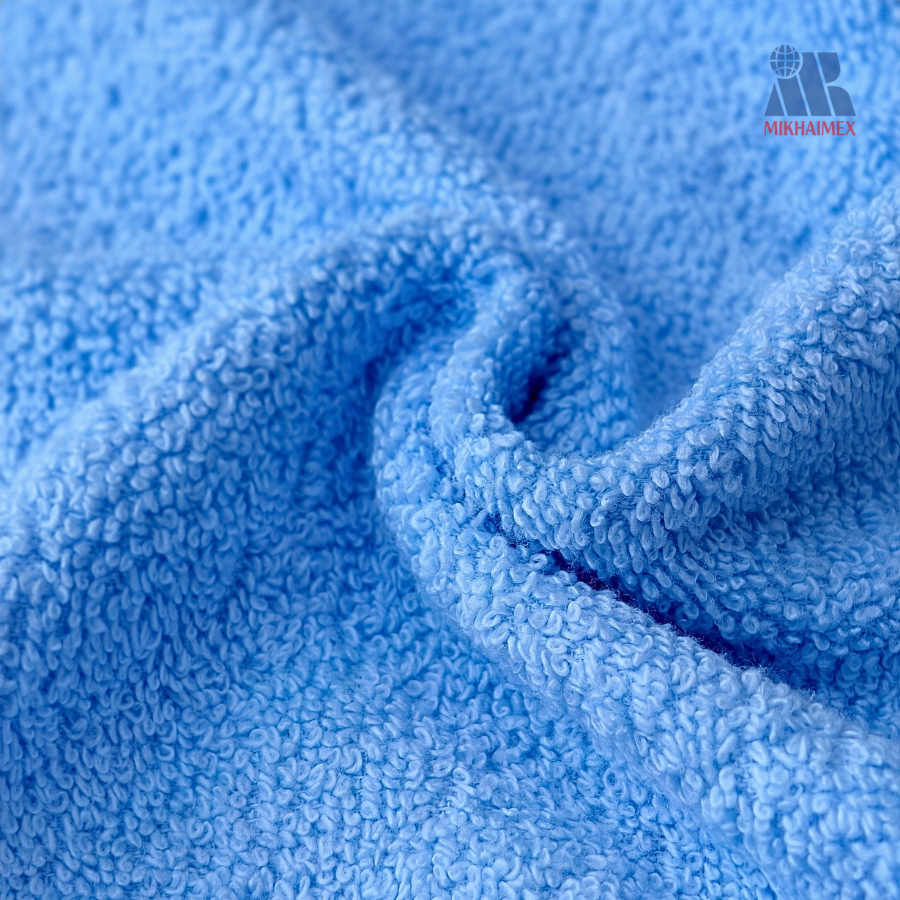
Compared to other natural fibers, soybean fiber possesses superior physical characteristics. It is finer and lighter than cotton but has higher tensile strength than wool. The surface of soybean fiber has a natural silk-like luster but is much easier to preserve and care for. Notably, the porous structure of the fiber allows it to take dye very well, creating sharp and durable colors without requiring excessive auxiliary chemicals. At Minh Khai, combining soybean fiber with traditional cotton in a “golden ratio” has produced towels with exceptional softness, completely overcoming the roughness often encountered after prolonged use.
3. Superior health benefits of towels made from soybean fiber
One of the primary reasons soybean fiber is favored in premium towel lines is its natural antibacterial properties. The protein in soybeans has the activity to inhibit the growth of bacteria and mold, keeping towels clean and odor-free even in humid bathroom conditions. For individuals with sensitive skin or for young children, towels made from soybean fiber serve as a perfect protective shield. The amino acids in soybean fiber can nourish the skin, maintain moisture, and prevent irritation, ensuring the skin remains smooth after every wipe.
The absorbency and moisture-wicking capabilities of soybean fiber are also highlights that cannot be ignored. With a microscopic grooved structure on the fiber surface, soybean fiber towels have a water absorption rate many times faster than conventional cotton towels. Not only do they absorb well, but this fiber also has an extremely fast evaporation rate, keeping the towel dry and minimizing the environment for bacteria to multiply. Additionally, soybean fiber possesses natural UV resistance—a rare characteristic in other plant fibers—providing optimal skin protection during outdoor activities or beach trips.
4. Minh Khai Textile’s mission to elevate soybean fiber towels in Vietnam
To introduce soybean fiber into export-standard towel production, Minh Khai Textile has invested in thorough research on weaving and finishing techniques. The greatest challenge when working with soybean fiber is maintaining its characteristic luster without compromising the towel’s structural durability. By combining modern Jacquard weaving techniques with safe dyeing processes, Minh Khai has created soybean fiber towel lines with sophisticated patterns, shimmering surfaces, and an incredibly gentle touch. Every product is a crystallization of innovative thinking and responsibility toward public health.
The introduction of the soybean fiber line is also part of Minh Khai’s strategy to diversify “vegan” products. In a market saturated with cheap synthetic products, the appearance of soybean fiber acts as a breath of fresh air, redefining the value of domestic towels. Customers holding a Minh Khai soybean fiber product will feel the difference from the very first touch—a profound softness, superior absorbency, and elegant beauty from the depth of the material. This not only enhances brand value but also promotes smart and responsible consumption trends in Vietnam.
5. The future of soybean fiber in a sustainable lifestyle
Looking toward the future, soybean fiber will continue to play a key role in the premium textile segment of Minh Khai Textile. As natural resources become increasingly scarce, utilizing agricultural byproducts like soybeans to create high-end fabrics is a modern necessity. Soybean fiber towels serve not only personal needs but are also the top choice for luxury spas and resorts looking to build a green and prestigious brand image. The combination of outstanding features and environmental friendliness makes soybean fiber the “king” of bio-fibers.
In conclusion, soybean fiber is evidence that textile technology can coexist harmoniously with nature. Minh Khai Textile is proud to offer customers high-quality soybean fiber towel lines where user health is prioritized and the environment is fully respected. Owning a soybean fiber towel is not just owning a high-end item; you are contributing to the journey of protecting the Earth. With an ambition for global reach, Minh Khai will continue to innovate technology, taking soybean fiber further to conquer demanding international markets and affirm the prestige of Vietnamese textiles on the world’s green map.