COLOR FASTNESS STANDARDS FOR EXPORTED COTTON TOWELS: CHALLENGES IN ACCESSING JAPANESE AND EUROPEAN MARKETS
1.The critical role of color fastness standards in textile exports
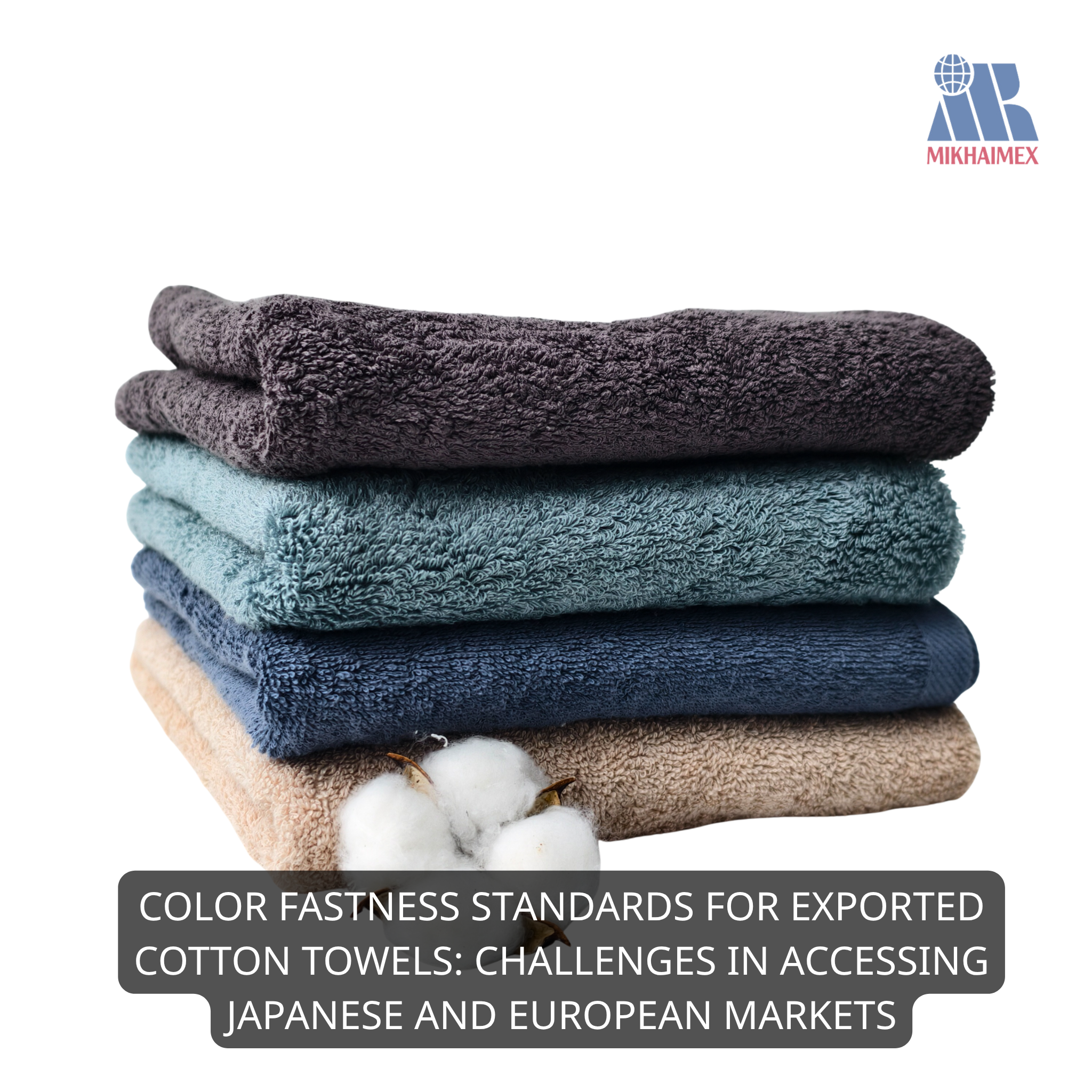
In the era of global economic integration, the Vietnamese textile industry, and Minh Khai Textile in particular, is increasingly asserting its position in the world’s most demanding markets. However, for a cotton towel to appear on shelves in Japan or European countries, it must overcome rigorous technical barriers, with color fastness being one of the primary indicators. This metric is not merely about a towel not fading during washing; it represents the safety of dyeing chemicals for human health and the sustainability of the product throughout its lifecycle. At Minh Khai Textile, we understand that mastering this quality index is the most important passport to taking our products international and building absolute trust with foreign partners who always prioritize technical excellence.
2.Challenges from Japan’s JIS standards regarding color fastness
The Japanese market has long been famous for its detailed and strictest technical requirements in the world, particularly through the Japanese Industrial Standards (JIS). For cotton towels, the Japanese are not only interested in softness but also pay special attention to color fastness under various environmental conditions. One of the greatest challenges is color fastness to perspiration and light, as towels are often used in outdoor activities or high-humidity environments. JIS standards require absolute stability of the chemical bonds between cotton fibers and dyes, ensuring that even under the influence of acidic or alkaline perspiration, the towel’s color does not change or smudge. Achieving color fastness certification according to Japanese standards requires Minh Khai Textile to use high-grade reactive dyes and modern heat treatment processes to lock color molecules deep into the core of pure cotton fibers.
3.Strict European regulations on color fastness and chemical safety
Unlike Japan, European countries often focus heavily on the combination of color fastness and the ecological nature of the product through certifications such as OEKO-TEX Standard 100. This market requires that the resistance to fading goes hand in hand with the non-use of toxic azo dyes or compounds that can cause skin irritation. The challenge for manufacturers is to maintain vibrant and stable shades on natural fiber bases while ensuring a clean, environmentally friendly production process. Resistance tests against industrial detergents at high temperatures are a major barrier, as hotels and resorts in Europe often apply strong bleaching processes to ensure hygiene. A towel that fails these color fastness benchmarks will quickly become faded and worn after a few washes, seriously affecting the reputation of the supplier and the Minh Khai Textile brand on the international textile map.
4.Technical solutions to optimize color fastness at Minh Khai Textile
To overcome international standard challenges, Minh Khai Textile has continuously invested in modern dyeing systems and closed quality control processes. The core solution for maintaining the highest level of color fastness is VAT Dyeing technology, a special dyeing method that makes colors “inert” to most strong detergents. This process helps cotton fibers not only absorb color more deeply but also creates a solid chemical protective layer, allowing the fabric to resist the corrosion of chlorine in swimming pools or sea salt. Additionally, strictly controlling the pH of the water source and the color incubation time plays an important role in preventing natural fading. Minh Khai Textile is proud that its exported cotton towels always reach a color fastness index of grade 4 to 5 according to the international standard scale, perfectly meeting the most stringent requirements from partners in global markets.
5.Sustainable commitment and brand value through color quality
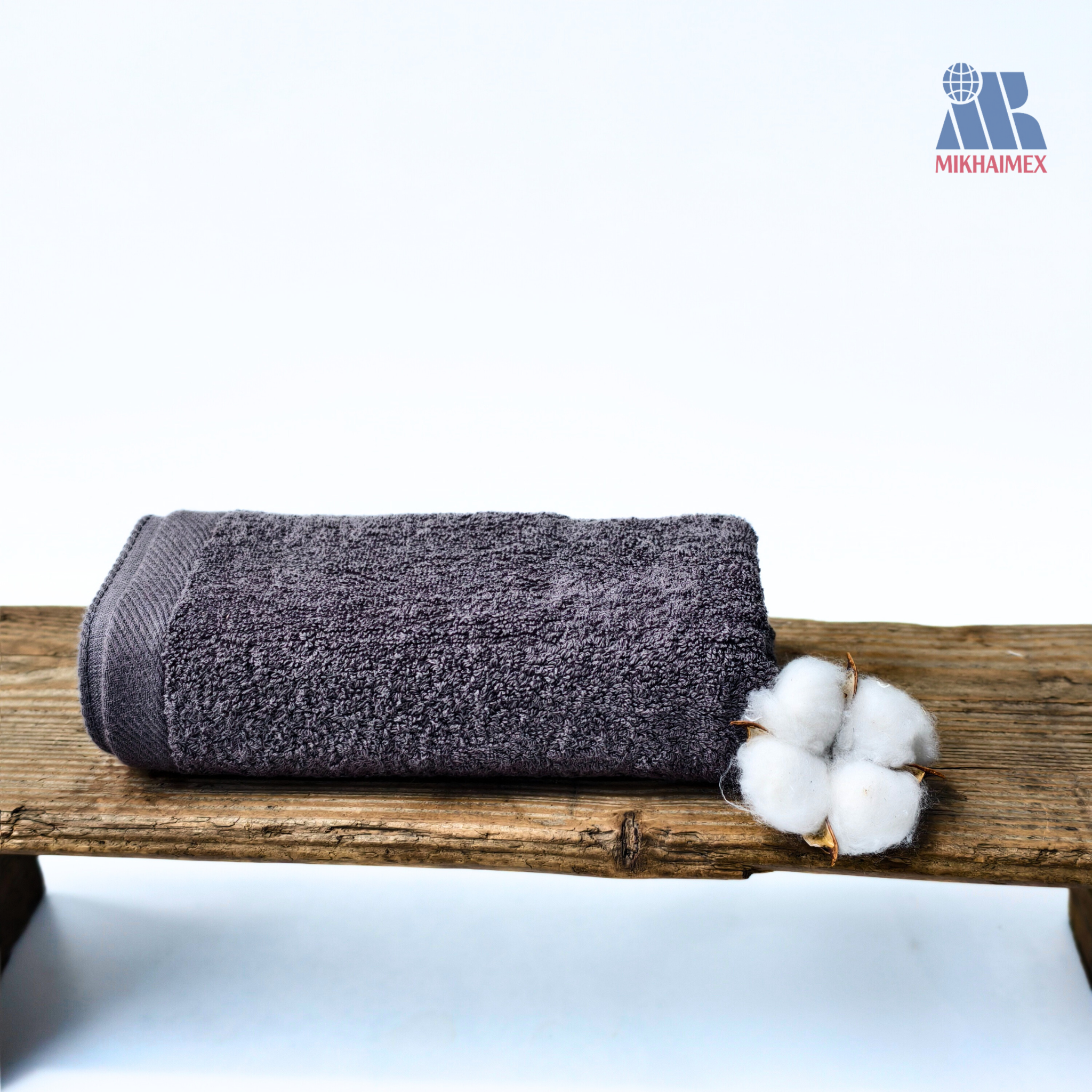
Conquering Color fastness indicators not only helps Minh Khai Textile affirm its top-tier OEM production capacity but also demonstrates the business’s responsibility toward global consumers. A towel that retains its fresh color after hundreds of uses is the clearest evidence of fiber quality and sophisticated dyeing techniques. In the future, Minh Khai Textile commits to continuing research into natural dyes and sustainable weaving technologies to not only maintain color fastness but also minimize environmental impact. We believe that every exported cotton towel bearing the Minh Khai brand reaching international customers is the crystallization of labor essence and strict adherence to quality values. The stability of color fastness is the strongest commitment to a reputable, durable Vietnamese textile brand that is always ready to conquer new heights in the global market.