
Analyzing the Impact of Bamboo and Cotton Fiber Blending Ratios on Natural Antibacterial Performance and Drape Softness of Terry Towels
1. The Engineering Balance Between Natural Biological Characteristics and Mechanical Durability in Towel Manufacturing
In modern consumer markets, textile products derived from eco-friendly natural origins increasingly dominate due to their inherent biological safety and environmental sustainability. Bamboo fibers extracted from natural bamboo stalks are internationally renowned for their exceptional antibacterial efficiency, cool surface touch, and exceptionally rapid moisture absorption capacity. Conversely, traditional cotton fibers hold an irreplaceable position regarding high tear strength, mechanical friction resistance, and structural volumetric loft. Utilizing a pure 100% bamboo fiber construction frequently leads to severe fabric shrinkage after laundering cycles, high wrinkling tendencies, and diminished mechanical durability under elevated thermal or alkaline conditions. On the other hand, relying solely on pure cotton fibers leaves the product lacking natural antimicrobial capabilities and luxurious fluid drape. Consequently, optimizing the bamboo and cotton fiber blending ratio serves as a decisive engineering factor in developing high-performance textiles that seamlessly unite biological functionality with commercial laundering longevity.
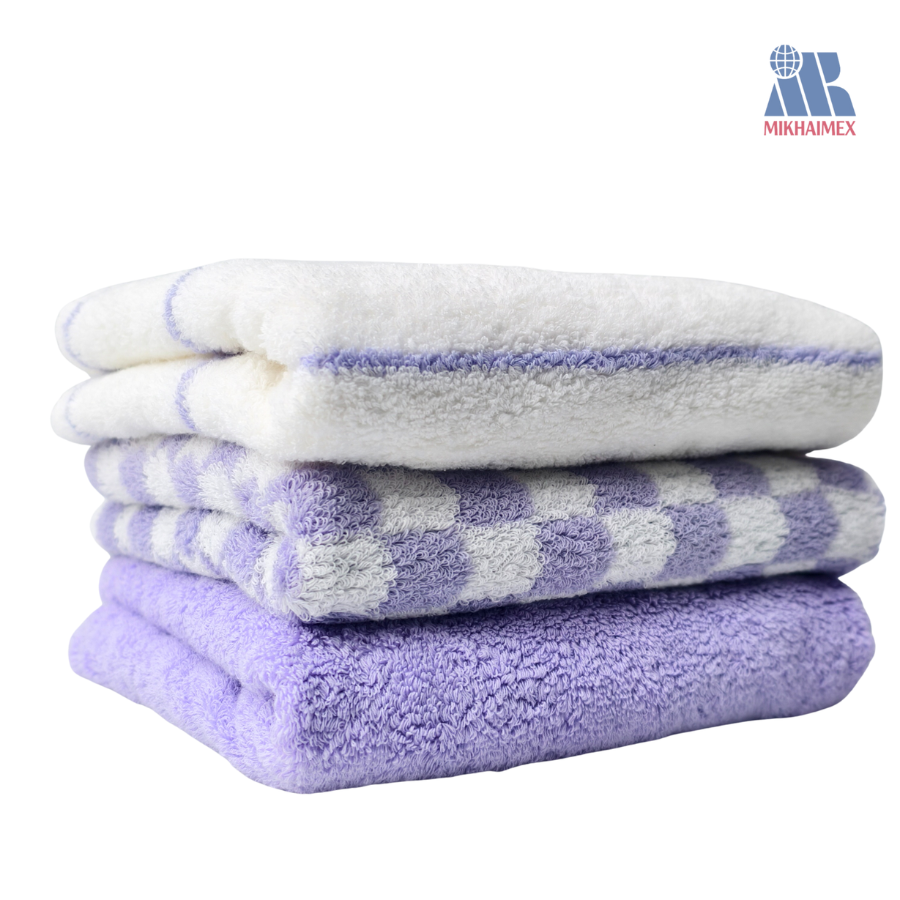
2. Biological Antibacterial Mechanisms and Fluid Drape Originating from Bamboo and Cotton Fiber Blending Ratios
The primary mechanism enabling bamboo fibers to eliminate microorganisms naturally stems from the presence of Bamboo Kun, a natural bio-agent embedded within the cellulose matrix of the bamboo plant. When formulating a precise bamboo and cotton fiber blending ratio under standardized technical guidelines, Bamboo Kun molecules become intimately interwoven with the cotton fiber network, establishing a natural antimicrobial barrier without requiring post-dyeing chemical additives. Furthermore, bamboo fibers feature a smooth, round cross-sectional architecture devoid of the microscopic surface spurs common to raw cotton, reducing surface friction to minimal levels. Integrating an optimized bamboo and cotton fiber blending ratio enhances natural drape softness, delivering an extraordinarily silky tactile sensation against sensitive skin. The structural interaction between these two distinct fibers precisely regulates the bending stiffness of surface loops, creating a perfect equilibrium between aesthetic luxury and operational functionality.
3. Empirical Analysis of Common Bamboo and Cotton Fiber Blending Ratio Benchmarks in Industrial Production
Through extensive textile laboratory testing, engineers have identified distinct physical property transformations when modifying the bamboo and cotton fiber blending ratio. At a blended proportion of 30% bamboo and 70% cotton, the resulting terry towel exhibits exceptional tensile strength and excellent dimensional stability, though its natural antibacterial capacity remains moderate without presenting a dramatic alteration in fluid drape. Elevating the bamboo and cotton fiber blending ratio to a balanced 50% bamboo and 50% cotton configuration yields a golden technical equilibrium, achieving up to 85% bacterial elimination, noticeable fluid drape, and stable resistance against industrial laundering friction. Pushing the bamboo and cotton fiber blending ratio further to 70% bamboo and 30% cotton maximizes self-sanitizing properties beyond 95% alongside unmatched silky drape, albeit requiring specialized maintenance parameters to manage increased washing shrinkage.
4. Advanced Dyeing and Finishing Workflows Stabilizing Blended Fiber Matrices and Absorption Speeds
Beyond calculating the exact bamboo and cotton fiber blending ratio, specialized spinning protocols and wet processing workflows are essential to fully unlock the dual benefits of both raw materials. The blended fiber silver must undergo high-tier combed spinning processes to eliminate short fibers, enabling long bamboo strands to anchor securely around the core cotton matrix. Within dyeing vessels, strict temperature and pH monitoring protocols are enforced to preserve the delicate Bamboo Kun active compounds against chemical degradation. Maintaining a precise bamboo and cotton fiber blending ratio alongside non-silicone softening finishes preserves the microscopic capillary pores across the fiber surface, driving instantaneous water uptake within seconds. This engineered hybrid fiber structure also significantly accelerates drying speeds compared to conventional pure cotton towel constructions.
5. Premium Bamboo-Cotton Blended Towel Solutions by Minh Khai Textile Meeting Global B2B Standards
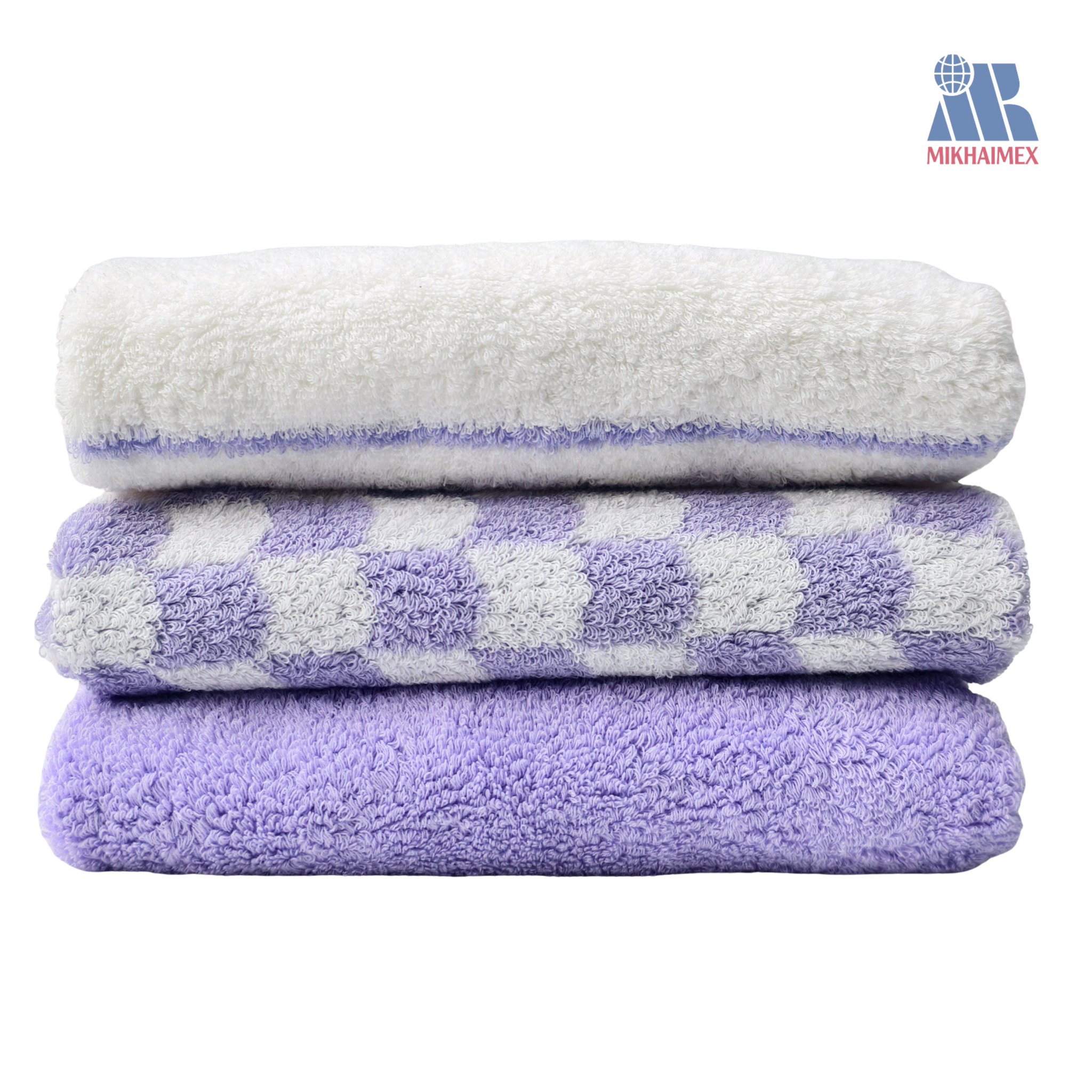
Capitalizing on green consumer movements and the rigorous standards of luxury hospitality chains, Minh Khai Textile Company has successfully integrated optimized bamboo and cotton fiber blending ratio formulas into its large-scale automated manufacturing operations. Utilizing eco-certified natural bamboo pulp paired with long-staple combed cotton, Minh Khai terry towel lines consistently deliver silky drape softness, enduring self-antibacterial performance, and superior dimensional integrity across hundreds of commercial wash cycles. Every production batch manufactured with a standardized bamboo and cotton fiber blending ratio undergoes rigorous quality audits covering Martindale abrasion resistance, colorfastness, and European OEKO-TEX biosafety certifications. Backed by versatile OEM/ODM production capabilities, Minh Khai Textile Company proudly delivers high-tier bamboo-cotton blended towel solutions, empowering global partners to elevate guest experiences and build sustainable brand value.