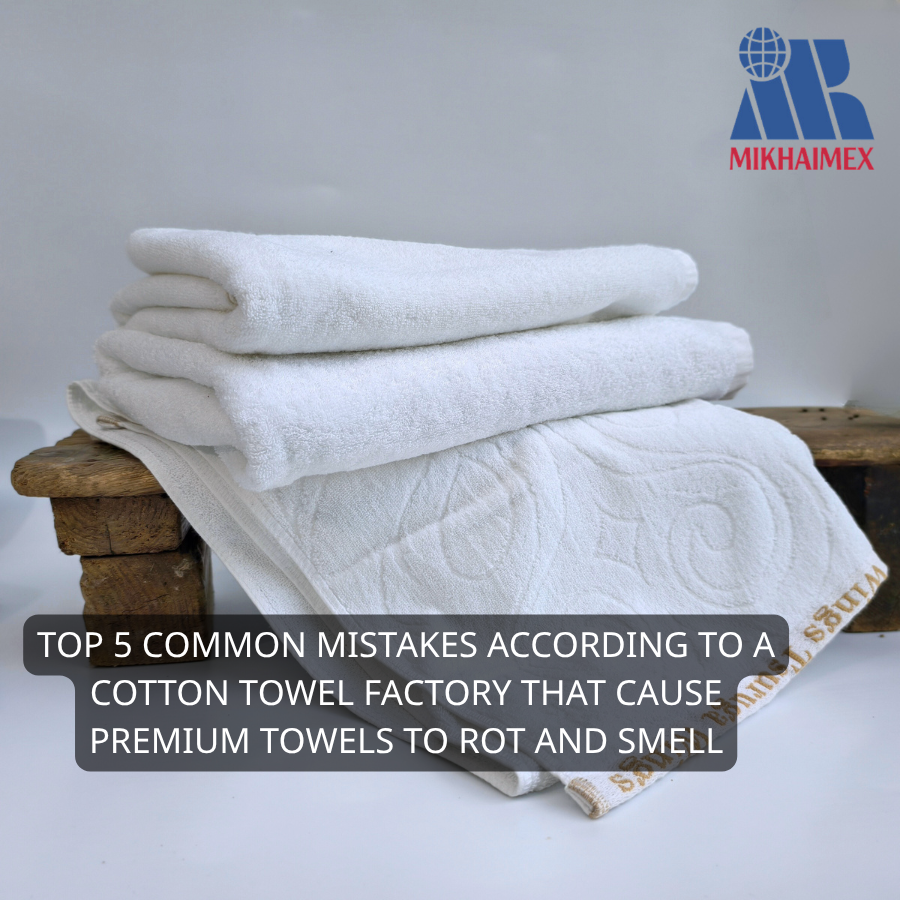
TOP 5 COMMON MISTAKES ACCORDING TO A COTTON TOWEL FACTORY THAT CAUSE PREMIUM TOWELS TO ROT AND SMELL
Maintaining the luxury and longevity of premium bath linens is a science that many households overlook. As a specialized cotton towel factory, we understand that the way you treat your towels directly dictates whether they remain a soft, spa-like comfort or become a breeding ground for bacteria. Below, we delve into the five most common errors that lead to premature rotting and unpleasant odors in your towels.
1. Excessive use of fabric softeners and industrial conditioners
The most common mistake families make is overusing fabric softeners in the misguided hope of keeping towels fragrant and cloud-soft. In reality, most commercial fabric softeners are formulated with silicone-based compounds, fats, and wax-like chemicals. These substances create a hydrophobic (water-repelling) film that coats individual cotton fibers. While this might feel “slippery” to the touch initially, it significantly cripples the towel’s primary function: absorption. When a towel can no longer pull water into its core, moisture lingers on the surface, trapped between the fibers. This creates a stagnant, humid environment—a playground for bacteria and mold. A professional cotton towel factory always recommends skipping softeners entirely for premium bath collections. This chemical buildup not only makes the fabric feel “greasy” but also leads to internal fiber rot, as the detergent cannot effectively penetrate the wax coating to sanitize the core during subsequent washes.
2. Washing bath towels mixed with everyday clothing
Tossing bath linens into the washing machine alongside regular laundry is a definitive way to accelerate wear and tear. Everyday clothing is often constructed with aggressive accessories—zippers, metal buttons, hook-and-loop fasteners, and synthetic fibers—that act as abrasive tools during the agitation cycle. These elements catch on the delicate, un-twisted loops of your premium towels, causing them to fray, snag, and lose their plush appearance. Furthermore, experts at a cotton towel factory remind us that bath towels possess different soil profiles than clothing. Washing them together leads to cross-contamination, where skin cells and bacteria from clothing are transferred to your towels, and lint from towels clogs the fibers of your clothes. Additionally, dirt and sweat from standard laundry can adhere to the high-absorbency fibers of the towel, stripping away their natural whiteness and fostering persistent, sour odors that are difficult to remove.
3. Drying in low-light environments or leaving towels damp
Moisture is the undisputed enemy of natural cellulose fibers. Many users often leave their towels balled up in a dark, poorly ventilated bathroom after use. Without sufficient airflow, the towel remains damp for hours, allowing mildew to germinate. Furthermore, many modern households dry their laundry indoors due to space constraints, preventing the fabric from achieving a “bone-dry” state before it is folded or reused. Specialists at a cotton towel factory emphasize the critical role of ultraviolet (UV) rays from natural sunlight for natural, effective disinfection. If your towels are not dried thoroughly and quickly, they will develop a persistent musty smell that is a hallmark of fungal growth. Over time, these mold colonies attack the very structure of the cotton cellulose, causing the towel to weaken, shed excessive fiber dust, and permanently lose its structural integrity and elasticity.
4. Washing or drying at excessively high temperatures
There is a pervasive myth that washing in near-boiling water or drying at maximum heat settings provides superior sterilization. However, this practice aggressively accelerates the thermal aging of cotton fibers. Exposure to extreme heat causes cotton loops to shrink, lose their natural loft, and eventually turn stiff, brittle, and scratchy after only a few laundry cycles. A standard cotton towel factory controls the industrial finishing process at specific, optimal temperature thresholds designed to protect the fiber’s natural wax and elasticity. For consumers, maintaining medium-temperature settings is more than sufficient to clean the fabric while preserving the soft, airy hand-feel of the cotton. Abusing high heat literally “burns” the tips of the fibers, creating a frizzy texture that leads to pilling and significantly reduces the functional lifespan of the towel.
5. Ignoring the recommended replacement schedule
The final and perhaps most overlooked mistake is the belief that a high-quality towel is a lifetime investment. Regardless of the premium manufacturing process, every textile product has a functional life cycle dictated by the intensity of use and the environmental conditions of your home. Generally, even the highest-grade towels should be cycled out or repurposed after 6 to 9 months of regular use to ensure peak hygiene. A reputable cotton towel factory encourages users to pay attention to physical indicators: if your towel feels unusually heavy, has developed a persistent stiffness that no amount of washing can fix, or retains a “sour” odor despite a thorough sanitizing wash, it is time for a replacement. Holding onto worn-out, discolored towels is not only inconvenient but also poses a real risk of harboring persistent bacteria that can trigger skin sensitivities. Regular replacement protects your skin health and ensures you continue to enjoy the superior, cloud-like experience that only a fresh, high-quality towel can provide.
6. Quality commitment from Minh Khai Cotton Towel Factory
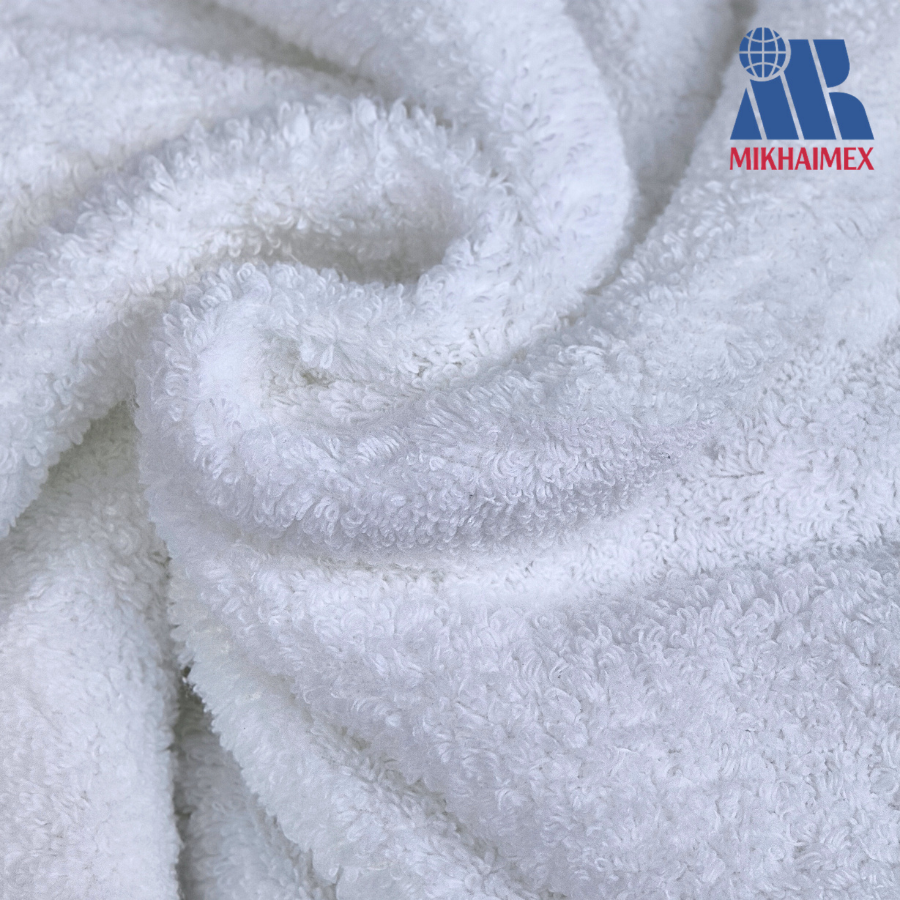
With over 50 years of dedicated development, Minh Khai is a leading cotton towel factory in Vietnam, featuring closed-loop, international-standard production lines. We do not simply supply premium towels; we aim to share expert knowledge to empower our customers to maintain their products for as long as possible. At the Minh Khai cotton towel factory, every fiber is meticulously selected and processed using state-of-the-art technology to ensure superior durability against the harsh effects of environmental factors and frequent washing. We believe that proper care is the missing link to maintaining the “happiness points”—that daily feeling of warmth and comfort—that our products bring to every home. Supported by a team of industry veterans, Minh Khai is always ready to provide tailored, optimal linen solutions for hotels, resorts, and spas nationwide. Choosing the Minh Khai cotton towel factory means choosing a partnership built on quality verified by time and the lasting satisfaction of millions of customers globally. We remain committed to innovation and excellence in every loop and weave we produce.