Detailed Comparative Analysis of Advantages and Disadvantages Among 20/2, 32/2, and 16/1 Cotton Yarn in Specialized Hotel Terry Towel Production
1. The Critical Role of Yarn Count in Determining Hotel Terry Towel Quality
In the luxury hospitality and resort management sectors, terry towels represent far more than basic personal hygiene amenities; they serve as a direct benchmark of service standards and brand prestige. The intrinsic performance of a towel is dictated by multiple structural variables, among which the specific yarn count plays a foundational role in determining softness, water absorption efficiency, and mechanical durability. Selecting the appropriate cotton yarn specification from common options such as 20/2, 32/2, and 16/1 remains a critical decision for hotel procurement directors. Each yarn designation reflects distinct fiber fineness, ply numbers, and twist dynamics, yielding vastly different operational performance characteristics. A thorough technical understanding of each cotton yarn type enables hospitality enterprises to optimize capital expenditures while maximizing guest satisfaction.
2. Technical Characteristics, Advantages, and Disadvantages of 20/2 Cotton Yarn
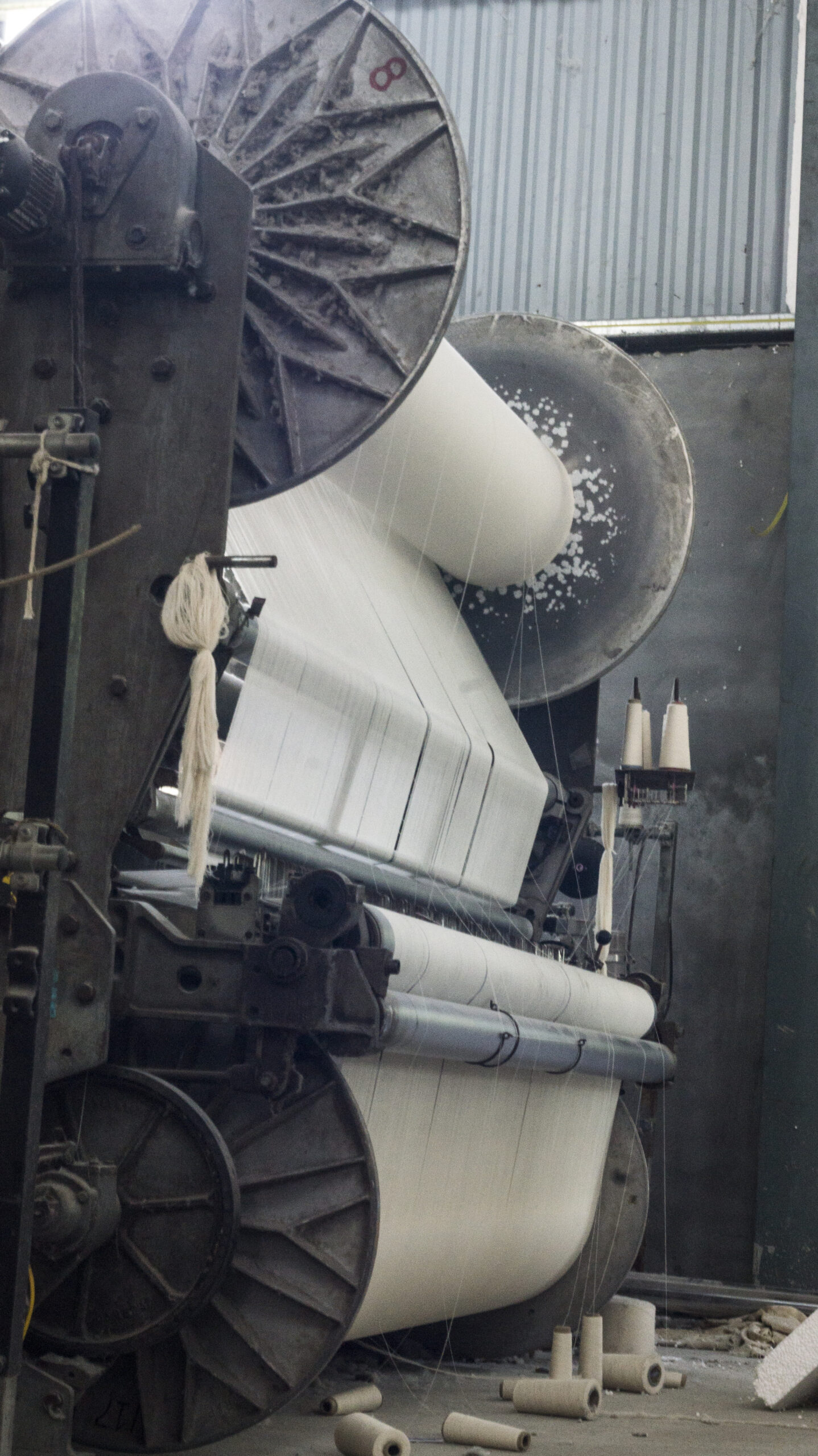
The 20/2 specification denotes two single yarns of 20 Ne count folded and plied together via two-fold twisting. This structural cotton yarn configuration features moderate thickness, producing tight, highly uniform terry loops across the fabric surface. The primary advantage of 20/2 cotton yarn lies in its exceptional balance between physical durability and instant moisture absorption capacity. The plied construction effectively prevents loop snagging and fiber linting under intense commercial laundering friction. However, the initial disadvantage of 20/2 cotton yarn involves a slightly firmer initial hand-feel compared to finer yarn counts, requiring a few wash cycles to achieve peak softness. This yarn is widely recognized as the industry standard for 3 to 4-star hotels prioritizing extended product lifespan and balanced maintenance costs.
3. Technical Characteristics, Advantages, and Disadvantages of 32/2 Cotton Yarn
Composed of two ultrafine single yarns of 32 Ne count twisted together, 32/2 cotton yarn represents a premium material choice. Because of the fine diameter of the individual strands, the density of terry loops per unit area increases dramatically, producing an ultra-dense, silky surface. Towels woven with 32/2 cotton yarn deliver a luxurious tactile feel, high loftiness, and refined visual elegance. The water absorbency of 32/2 cotton yarn is exceptionally high due to the vast surface contact area provided by fine cotton fibers. Nevertheless, the main drawbacks include higher raw material sourcing costs and strict laundering protocols. Towels made from 32/2 cotton yarn exposed to harsh chemical bleaching or excessive drying temperatures can suffer premature fiber degradation. This yarn is the preferred selection for luxury 5-star hotels and high-end boutique resorts.
4. Technical Characteristics, Advantages, and Disadvantages of 16/1 Cotton Yarn
Fundamentally distinct from the aforementioned two-ply variants, 16/1 cotton yarn is a single-ply yarn possessing a significantly thicker diameter. Without going through a plying or doubling process, the raw cotton fibers within 16/1 cotton yarn retain larger internal air spaces, enabling rapid water absorption upon skin contact. Terry towels manufactured from 16/1 cotton yarn offer a thick, plush, and voluminous feel immediately upon first use at the most economical production cost among all three categories. However, the drawback of 16/1 cotton yarn rests in its lower mechanical structural strength. Due to the single-ply construction with lower holding twist, the towel is more prone to surface pilling, loop pulling when snagged, and higher thermal shrinkage. This yarn is commonly applied to hand towels, bath mats, or budget hotel linens prioritizing low initial procurement costs.
5. Minh Khai Textile Company – Expert Consultation and High-Quality Cotton Yarn Towel Manufacturing
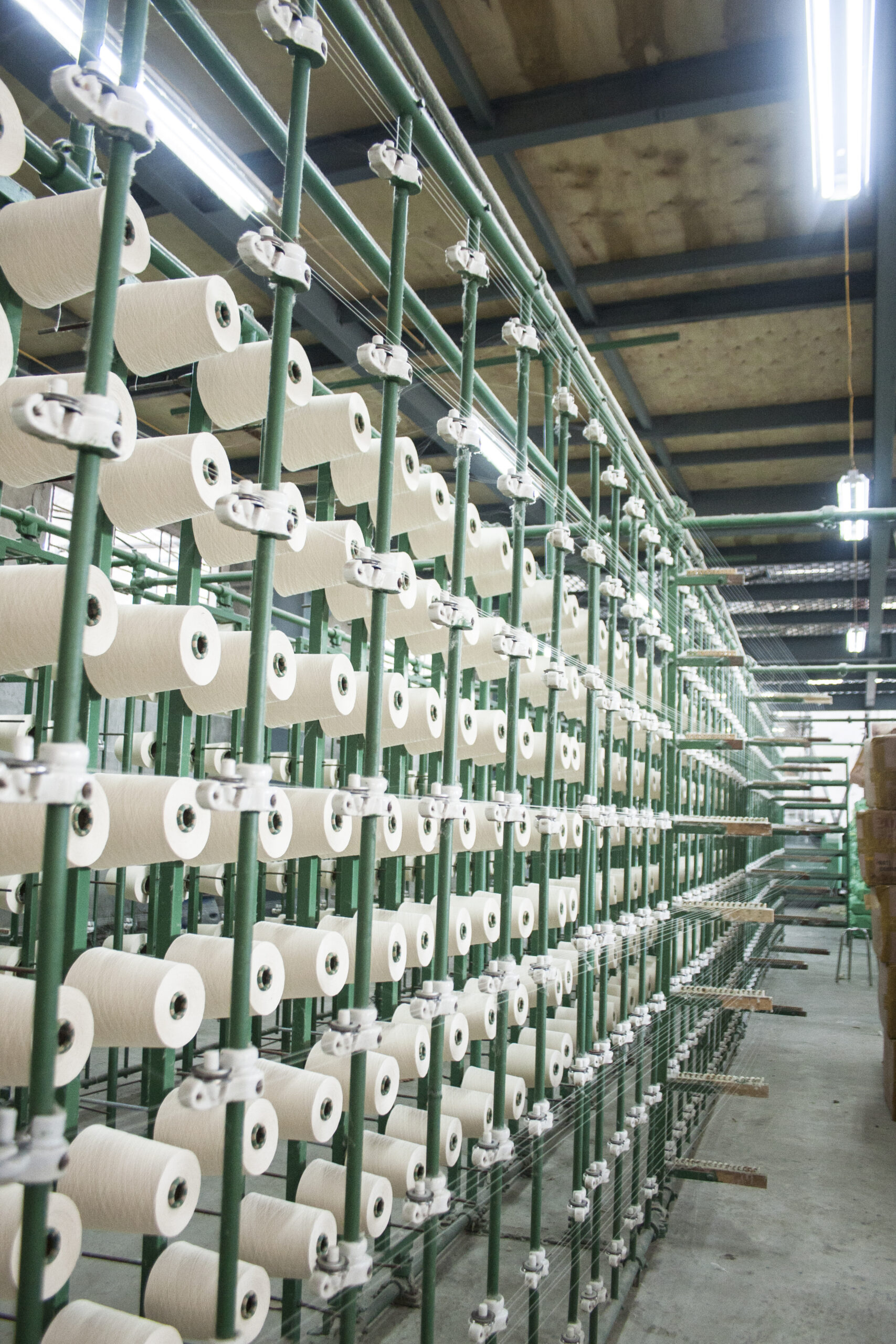
Selecting the correct yarn specification for specialized towel lines demands deep technical expertise in textile manufacturing and commercial laundry operations. Minh Khai Textile Company stands as a trusted leader in manufacturing high-grade terry towels crafted from combed cotton yarn stock. At Minh Khai, we provide tailored consultation on combining 20/2, 32/2, and 16/1 cotton yarn specifications based on individual client budget constraints and hospitality service tiers. Equipped with advanced weaving machinery, stenter tensionless drying systems, and rigorous quality control protocols, Minh Khai towels consistently guarantee superior durability, maximum absorbency, and full compliance with OEKO-TEX international export standards. We remain committed to delivering optimal value for our global commercial partners.